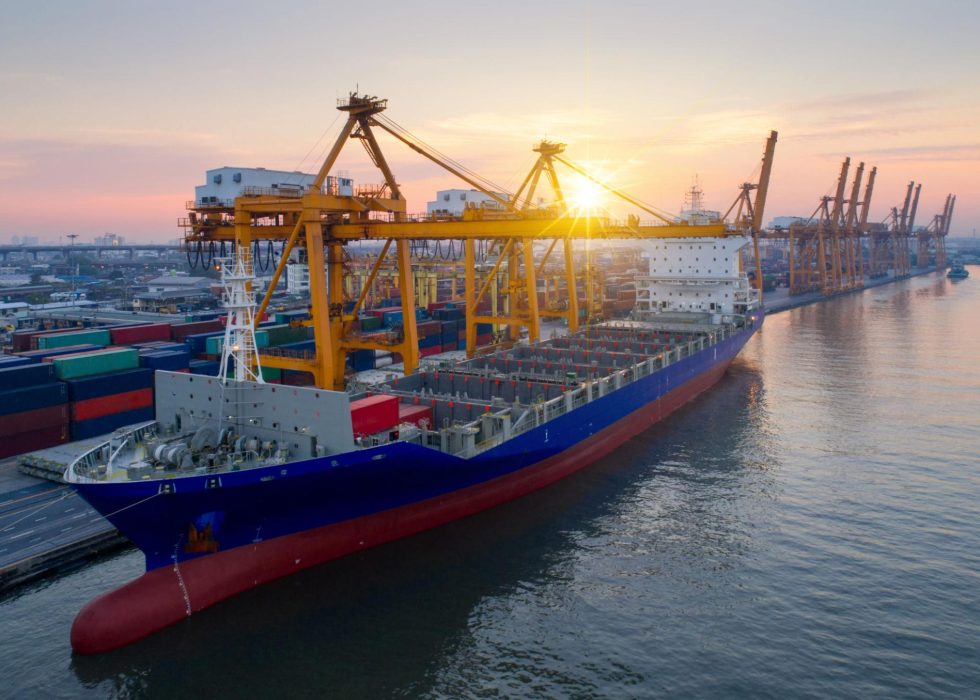
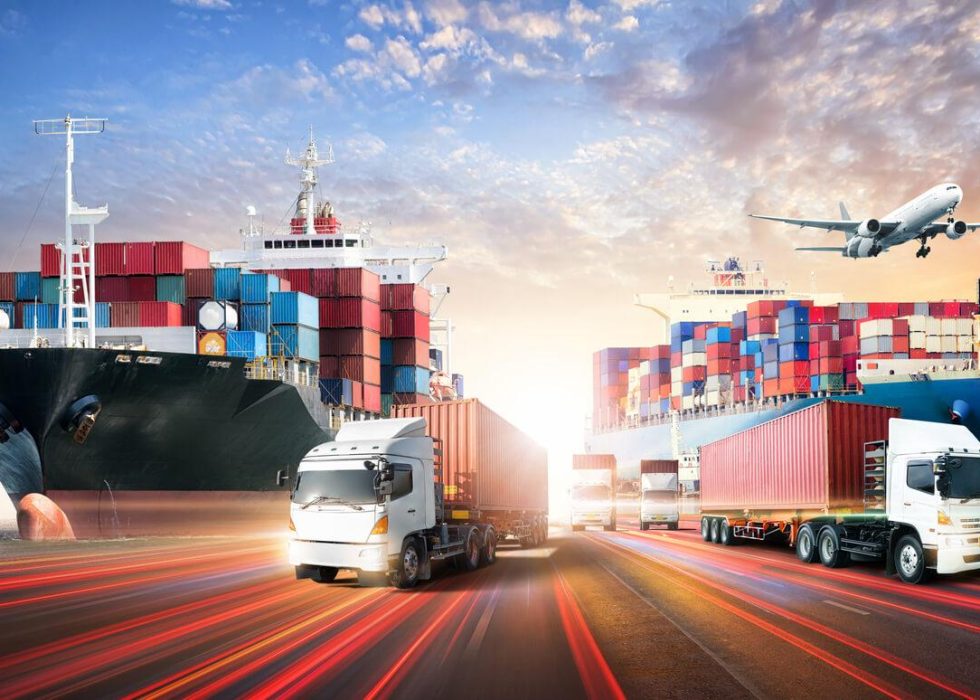
As we approach the midpoint of 2026, logistics networks are once again under pressure. Capacity tightening across major trade lanes is becoming a key concern, driven by fluctuating fuel prices, ongoing disruptions, and shifting global demand patterns.
Recent market observations show that freight rates remain volatile, with fluctuations happening almost daily due to fuel supply constraints and regional instability. This uncertainty is forcing businesses to rethink how they plan shipments and manage supplier relationships.
Reduced buffer capacity after years of lean operations
With supply chains becoming more complex, businesses are moving away from reactive logistics strategies toward predictive planning models.
📦 How Businesses Can Stay Ahead
To remain competitive, companies should focus on:
1. Early Booking Strategies Booking shipments 5–7 days in advance can help secure space and avoid last-minute cost spikes.
2. Multi-Carrier Partnerships Relying on a single logistics provider increases risk. Diversifying carriers improves flexibility.
3. Data-Driven Decision Making Using real-time data allows businesses to respond quickly to market changes.
🔍 Looking Ahead
The second half of 2026 will likely see continued pressure on capacity and pricing. Companies that invest in flexibility and visibility will be better positioned to navigate these challenges successfully.
Artificial intelligence is no longer a future concept in logistics—it is actively reshaping how supply chains operate in 2026. From route optimisation to predictive demand forecasting, AI is helping businesses make faster and more accurate decisions.
Industry insights show that companies adopting digital tools and AI-driven systems are gaining a significant competitive advantage by improving efficiency and reducing operational costs.
🤖 Key Applications of AI in Logistics
1. Predictive Demand Forecasting AI analyses historical data and market trends to anticipate demand spikes, reducing overstocking or stockouts.
2. Route Optimisation Smart algorithms identify the most efficient routes, reducing fuel consumption and delivery time.
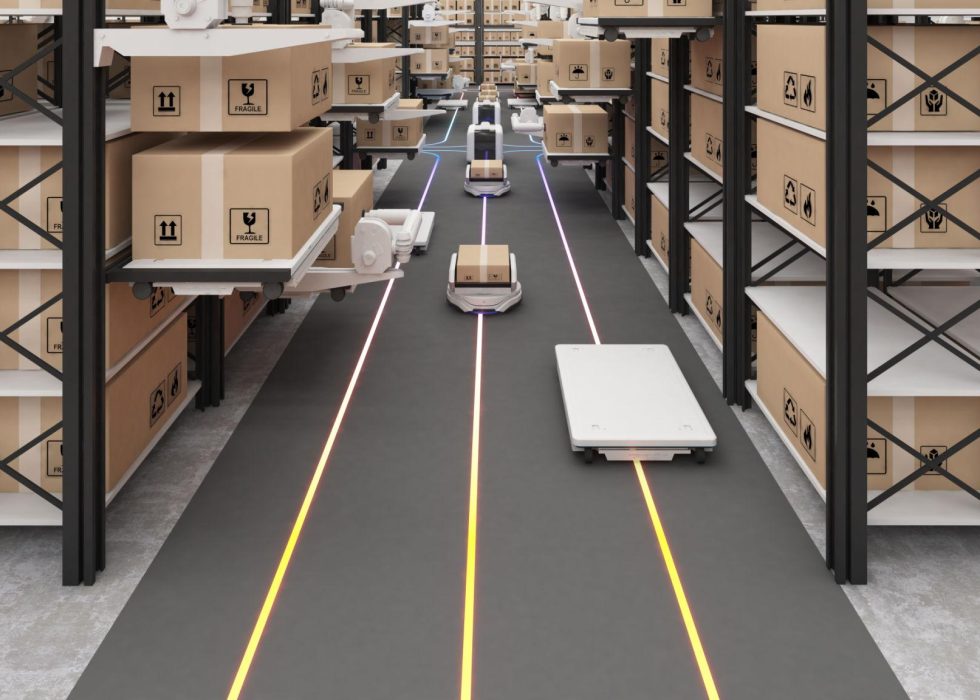
3. Automated Warehousing Robotics and AI systems streamline picking, packing, and inventory management processes.
⚡ Benefits for Businesses
Reduced transportation costs
Faster delivery times
Improved customer satisfaction
Better supply chain visibility
📊 The Future of AI in Logistics
While many companies are still experimenting with AI, those who successfully integrate it into daily operations are seeing measurable returns. The shift toward semi-autonomous supply chains is expected to accelerate in the coming years.
In today’s unpredictable logistics environment, resilience has become more important than efficiency alone. Businesses can no longer rely on stable supply chains—instead, they must prepare for constant disruption.
Industry trends indicate that supply chains are evolving toward flexibility, resilience, and adaptability as core priorities.
🌍 Why Resilience Matters More Than Ever
Modern supply chains face:
Geopolitical disruptions
Fuel price volatility
Changing consumer demand
Regulatory complexity
These challenges require a shift from rigid planning to agile, responsive strategies.
🔑 Key Strategies for Building Resilience
1. Diversified Supplier Networks Avoid reliance on a single supplier or region to reduce risk.
2. Multi-Route Logistics Planning Using alternative shipping routes helps maintain continuity during disruptions.
3. Real-Time Visibility End-to-end tracking allows businesses to respond quickly to delays or changes.
4. Integration of Finance and Logistics Aligning logistics decisions with financial strategy improves cost control and risk management.
🚀 Final Thoughts
Resilience is no longer optional—it’s a competitive advantage. Companies that embrace flexible logistics strategies will not only survive disruptions but thrive in an increasingly complex global market.